



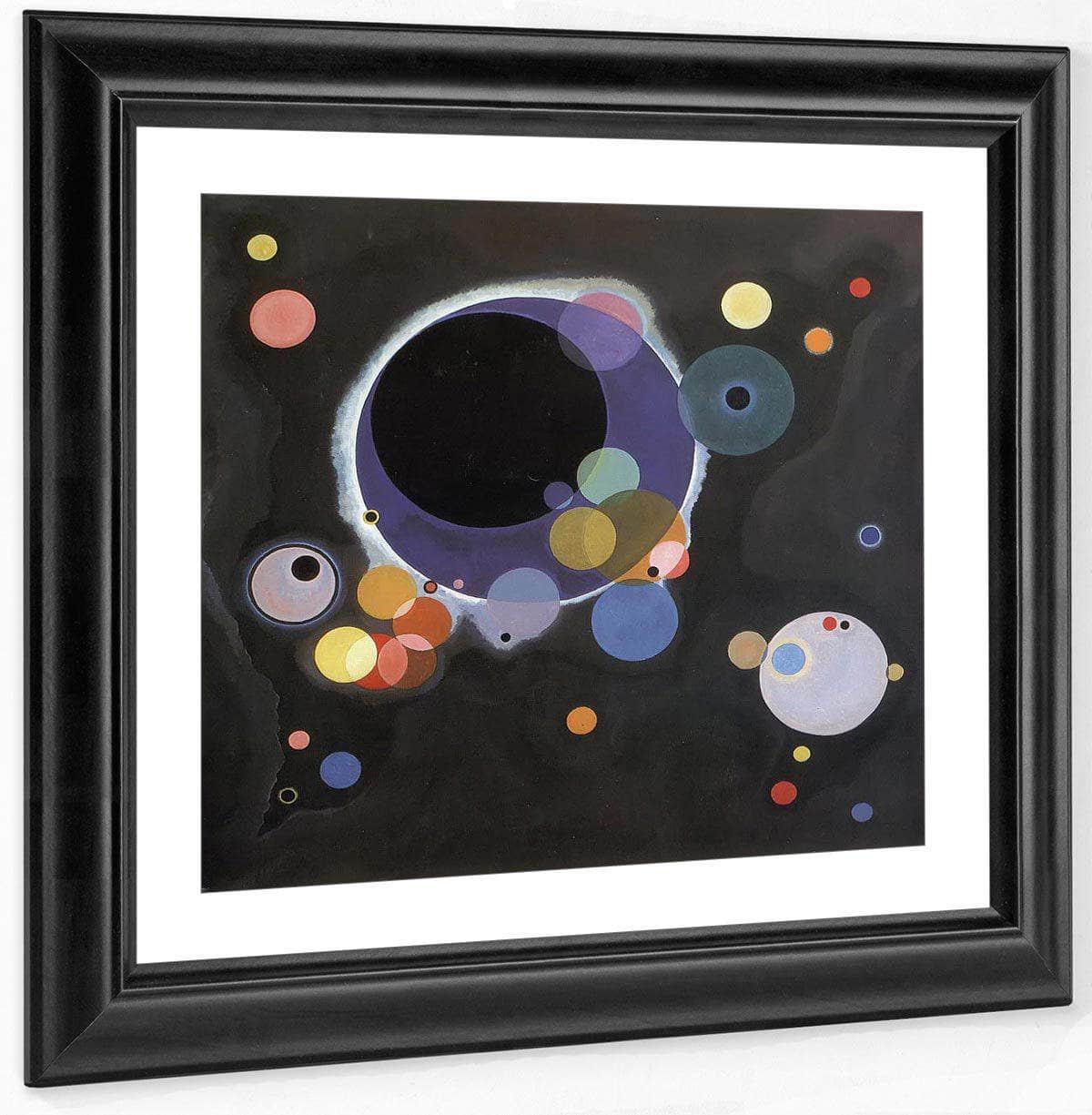

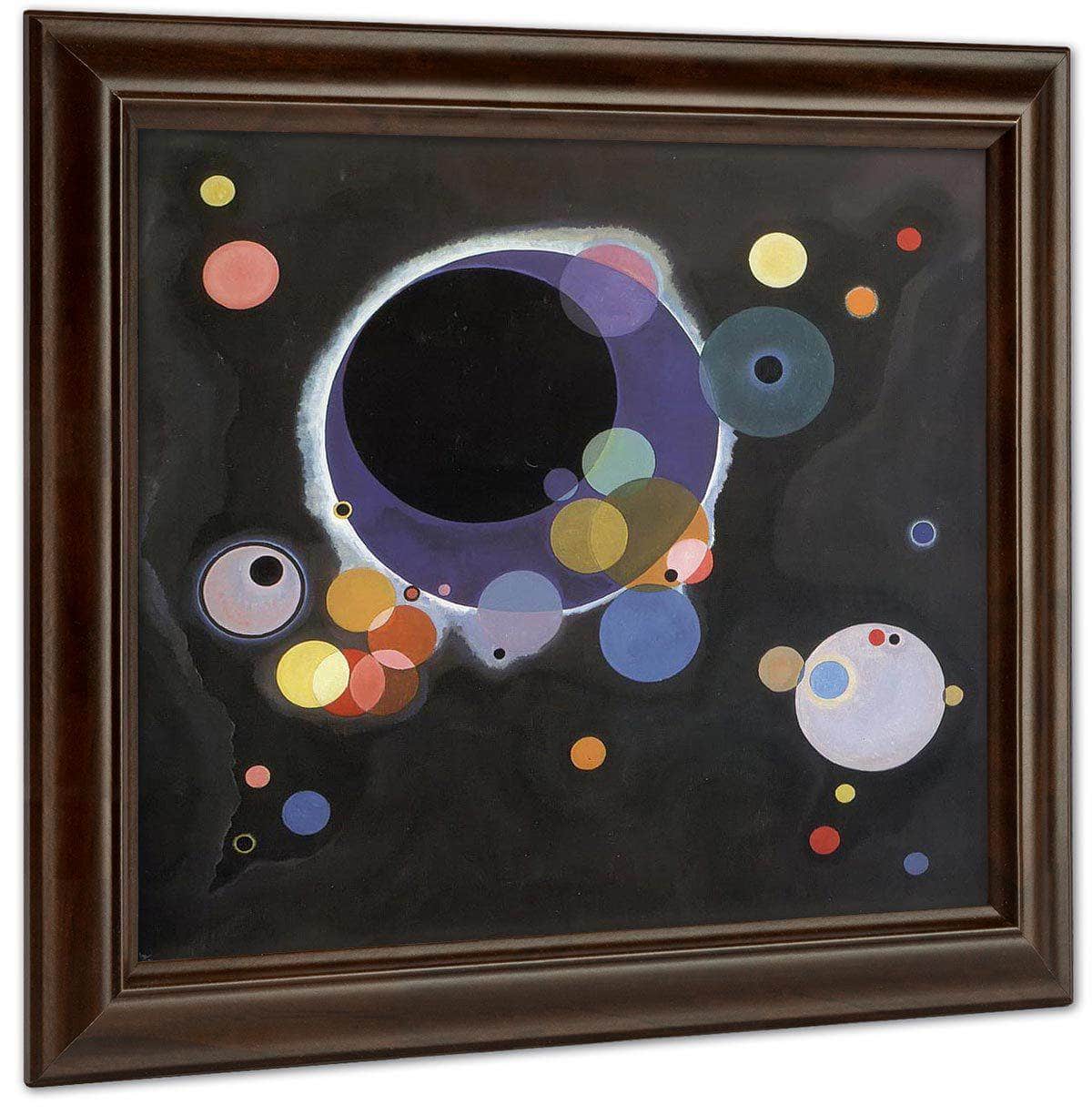


Several Circles By Wassily Kandinsky
Museum-Quality Giclée Prints
Our giclée prints are crafted using archival pigment inks that resist fading and faithfully preserve the original tonalities and hues of the artwork.
No Watermarks or Branding
Your print will arrive free of any watermarks or branding—just the art, exactly as intended.
Sizing & Framing Details
-
Unframed Matte Paper Prints: Delivered in the exact dimensions of the artwork on 280 gsm Artist Paper.
-
Stretched Canvas: Ready to hang with neatly finished edges and solid wood support.
-
Framed Prints: Professionally mounted in a premium wood frame with backing and wire installed.
Fast, Free Shipping
-
Free shipping in the USA and UK. Art Studio Based in USA - Washington.
-
UK orders include fast delivery with no customs fees.
Satisfaction Guaranteed
Enjoy peace of mind with our 30-day money-back guarantee. With over 15 years of experience in curating and reproducing fine art, we’re committed to exceptional craftsmanship and customer satisfaction.
Customer Reviews (Verified Buyers)
⭐️⭐️⭐️⭐️⭐️ "Love it! Arrived quickly."
⭐️⭐️⭐️⭐️⭐️ "Lovely painting and details are clear."
⭐️⭐️⭐️⭐️⭐️ "Great work on our Renoir."
⭐️⭐️⭐️⭐️⭐️ "Exceptional quality print."
About Classics VI
This grouping pulls together six pillars of late nineteenth and early twentieth century painting, spanning Vorticist abstraction, Dutch marine realism, American frontier action, French academic idealism, and Venetian view painting. The throughline is craft at its most ambitious: Wyndham Lewis fracturing the battlefield into mechanical geometry around 1919, Mesdag working the North Sea light from his Hague School studio, Remington capturing cavalry mid-gallop, Bouguereau finishing flesh tones to a porcelain hush, and Santoro continuing the vedutisti tradition Canaletto began. Hung together or singly, these works reward the kind of looking that rewards looking back - they hold up to daily company.
Specifications
Specifications
Your payment information is processed securely. We do not store credit card details nor have access to your credit card information.
